
The Silent Fade: How Earphones Are Causing a Rise in Hearing Loss Among Young People
The Sounds We Love… and the Silence We Don’t Notice
Every day, millions of young people wear earphones to study, work, escape stress, or relax. Music becomes comfort, noise becomes distraction, and earphones become constant companions.
But while our minds feel engaged, our ears are silently suffering.
Hearing loss doesn’t hurt.
It doesn’t bleed.
It doesn’t warn.
It simply fades — like light dimming slowly.
More young people today are losing hearing earlier than any generation before.
This isn’t to scare you.
It’s to awaken you.
Your hearing is sacred.
Protect it.
The Alarming Reality: 1 Billion Young People at Risk

WHO reports that over 1 billion people aged 12–35 are at risk of early hearing loss due to:
Earphones
AirPods
Headphones
Loud venues
This rise isn’t due to genetics or accidents — but everyday habits like:
Turning the volume up
Listening for hours
Sleeping with music playing
Key WHO Facts:
24% of young people listen at unsafe volumes
48% are exposed to very loud environments
By 2050, 2.5 billion people may have hearing loss
This is happening now — in classrooms, gyms, trains, homes, and offices.
Why Earphones Are More Dangerous Than You Realize
1. Sound is blasted straight into the eardrum
Earphones sit mere centimetres from your eardrum. This creates:
Higher pressure
Stronger vibrations
Direct damage
2. They cause slow, irreversible acoustic trauma
Every loud beat bends or damages inner-ear hair cells.
These cells help you hear — but once damaged, they never grow back.
3. Most people listen at unsafe volumes
Safe listening: below 70 dB
Average earphone output: 100–110 dB
At 100 dB, ear damage begins after just 15 minutes.
Most young people listen for hours.
The Hidden Symptoms Most Young People Ignore
Tinnitus (ringing, buzzing)
Ear pressure
Dizziness
Difficulty hearing speech, especially in crowds
Increasing volume over time
Sensitivity to normal sounds
These symptoms are now common among teenagers.
Understanding Decibels: How Loud Is Too Loud?

Whisper: 30 dB
Conversation: 60 dB
Busy traffic: 80 dB
Earphones at 60% volume: 90–100 dB
Maximum volume: 110–120 dB
WHO recommends the 60/60 rule:
Use earphones at 60% volume for no more than 60 minutes a day.
Most people exceed this by 3–7x daily.
Why Young Ears Are More Vulnerable
Children, teens, and young adults are at higher risk because:
Their auditory pathways are still developing
They listen longer
They turn volume higher in noisy environments
Many sleep with earphones
Early damage at age 15 or 20 may lead to severe loss by age 40 or 50.
The Emotional Impact of Hearing Loss
Hearing is deeply connected to emotional wellbeing.
Loss of hearing can trigger:
Isolation
Social withdrawal
Anxiety
Depression
Relationship struggles
Academic difficulties
Low confidence
Research shows untreated hearing loss increases dementia risk by 50%.
Silence is gentle when chosen — painful when forced.
Everyday Habits That Damage Your Ears
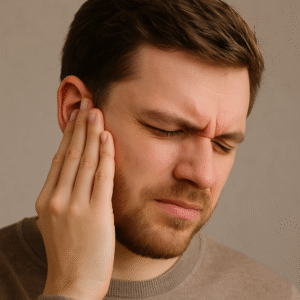
Listening while sleeping
Using earphones in noisy places
Sharing earphones
Wearing earphones during workouts
Relying on noise-cancelling devices for long hours
Even “harmless” habits accumulate into long-term damage.
How to Protect Your Ears: Yeka’s Hearing Wellness Guide
Keep volume below 60%
Take 5-minute breaks every 30 minutes
Use speakers when possible
Avoid sleeping with earphones
Switch to over-ear headphones
Use phone features that monitor volume
Clean earphones weekly
Follow the 60/60 rule
Have one weekly “silent evening”
Teach kids early
Your ears need care just like your skin and your mind.
When to See an ENT Specialist
Visit a doctor if you experience:
Ringing in ears
Sudden hearing reduction
Ear fullness
Difficulty hearing conversations
Needing higher volume
Dizziness or balance issues
Early intervention prevents long-term loss.
Your Hearing Is a Divine Gift
In a world full of noise, silence is sacred.
Your ears allow you to hear laughter, love, music, guidance, conversation, blessings.
Do not let preventable habits steal this gift.
Choose softer sounds.
Choose mindful listening.
Choose quiet healing moments.
Choose yourself.
Your ears are emotional bridges — protect them with love.
Leave a Reply