
Dormant Hair Follicles: Can They Really Grow Back? The Truth, Science & Steps for Regrowth
Hair fall is frustrating.
But the fear that “my hair has stopped growing” or “my follicles are dead” feels much deeper.
It affects confidence, identity, and how we see ourselves.
If you’ve ever wondered:
“Are my follicles dead?”
“Why is my thinning not stopping?”
“Can growth ever restart for me?”
You’re not alone — and you are not out of options.
This guide explains the science of dormant follicles and how to gently wake them up.
What Exactly Is a Dormant Hair Follicle?
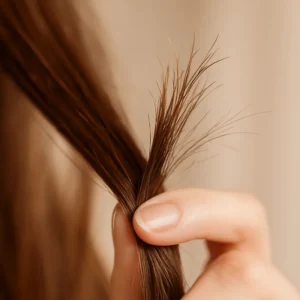
A hair follicle is a tiny living structure beneath your skin.
It has its own stem cells, blood supply, and growth cycle.
A follicle becomes dormant when:
• It stops producing visible hair
• Growth slows drastically
• It stays stuck in the resting (telogen) phase
Dormant does not mean dead.
Research shows stem cells inside the follicle often remain alive and can restart when conditions improve.
Understanding the Hair Growth Cycle
Each hair follicle goes through four phases:
- Anagen – Active growth (2–7 years)
- Catagen – Transition stage (2–3 weeks)
- Telogen – Resting phase (3–5 months)
- Exogen – Shedding phase
Dormancy occurs when a follicle remains in the telogen phase longer than normal.
Why Do Hair Follicles Become Dormant?

1. Reduced Blood Flow to the Scalp
Follicles need oxygen, nutrients, and amino acids.
Low blood flow pushes them into “energy-saving mode.”
Science shows improving scalp circulation increases hair density and thickness.
2. Chronic Stress and High Cortisol
Stress directly affects hair growth.
High cortisol can:
• Shrink the dermal papilla (the follicle’s control center)
• Push hair into premature rest phase
• Slow regrowth for months
This condition is known as telogen effluvium.
3. Scalp Inflammation and Product Buildup
Inflammation shuts follicles down.
Common causes:
• Dandruff
• Hard water
• Silicone conditioners
• Gel or spray buildup
• Pollution
• Seborrheic dermatitis
Inflammation disrupts stem cell activity, preventing regrowth.
4. Hormonal Imbalances
Conditions like:
• Thyroid issues
• PCOS
• Postpartum shifts
• Menopause
All can lengthen the resting phase.
5. Nutritional Deficiencies
Hair is one of the fastest-growing tissues.
It needs nutrients like:
• Iron
• Vitamin D
• Zinc
• Biotin
• Protein
• Omega-3
Deficiencies commonly cause dormancy.
Can Dormant Hair Follicles Grow Back?
Yes — if the stem cells are still alive.
Scientific findings show:
• Miniaturized follicles still contain viable stem cells
• Regrowth depends on restoring signals from the dermal papilla
• Follicles need better blood flow, nutrients, reduced inflammation, and consistent stimulation
Growth is possible, but requires steady support.
How to Wake Dormant Hair Follicles (Science-Backed Methods)

STEP 1: Warm Oil Massage to Boost Blood Flow
Warm oil helps:
• Improve circulation
• Activate follicle signaling
• Loosen tight scalp tissue
• Enhance nutrient supply
A study shows 4 minutes of scalp massage daily increased hair thickness within 24 weeks.
How to do it:
• Warm coconut, moringa, rosemary-infused, or castor oil
• Massage for 3 minutes in circular motions
• Focus on thinning areas
• Repeat nightly or alternate nights
STEP 2: Reduce Scalp Inflammation
Use calming ingredients such as:
• Neem oils
• Tea tree tonics
• Gentle, sulfate-free cleansers
• Weekly scalp exfoliating masks
A cool, clean scalp encourages stem cell activity.
STEP 3: Enhance Scalp Microcirculation
Ways to improve circulation:
• Warm oil massage
• Inversion therapy (2–3 minutes)
• Wooden comb brushing
• Aerobic exercise
• Red light therapy
Even a 10-minute walk increases oxygen flow to the scalp.
STEP 4: Use Growth-Stimulating Natural Actives
Dermatology-supported ingredients:
• Rosemary Oil – Works similarly to minoxidil
• Peppermint Oil – Boosts follicle growth 3x faster in studies
• Moringa Extract – Rich in zinc and vitamin A
• Niacinamide – Improves scalp barrier and blood flow
• Caffeine – Helps block DHT
STEP 5: Lower Cortisol
Stress tells follicles to stop growing.
Reduce cortisol naturally through:
• Deep breathing
• Meditation
• Warm oil self-massage
• Gratitude journaling
• Sound healing
• Proper sleep
Lower cortisol = Higher growth activity.
STEP 6: Fix Internal Deficiencies
Ask your doctor for tests:
• Ferritin
• Vitamin D
• Thyroid profile
• Zinc
• B12
Correcting internal deficiencies often restarts growth in 6–12 weeks.
How Long Does Regrowth Take?
Here is the realistic timeline:
4 weeks: Less shedding, improved scalp health
8–12 weeks: Baby hair or “peach fuzz” appears
16+ weeks: Noticeable density improvement
6–12 months: Thickening in previously thin or dormant areas
Hair regrowth is slow, but absolutely possible.
The Emotional Side: You Are Not Failing
Hair thinning can affect identity and confidence.
But remember:
Your follicles are still alive.
Your body is still capable.
Your growth story is not over.
Follicles respond to:
• Warmth
• Patience
• Nourishment
• Consistency
• Emotional calm
Growth is not just biological — it is also energetic.
Leave a Reply