
The First 40 Days After Delivery: Why Warm Foods Are Real Postnatal Medicine
For centuries, women across cultures were guided gently into rest, warmth, and nourishment after childbirth.
Only now is modern science beginning to validate what grandmothers always knew instinctively.
The first 40 days after delivery, often called the fourth trimester, are not only about caring for the newborn.
They are about rebuilding the mother.
What a woman eats during this time does more than aid short-term recovery.
It influences hormones, bones, digestion, emotional health, and immunity for years to come.
Warm foods are not tradition alone.
They are postnatal medicine.
Understanding the Postpartum Body

After childbirth, a woman’s body enters a rare physiological phase where healing, contraction, hormonal recalibration, and emotional vulnerability happen simultaneously.
What is happening internally
1. Blood loss and nutrient depletion
During delivery, especially vaginal birth, significant blood loss occurs.
Iron, calcium, and essential micronutrients drop rapidly, increasing fatigue and weakness.
2. Sudden hormonal shifts
Estrogen and progesterone levels fall sharply after birth.
This shift can affect mood, sleep, digestion, and emotional regulation.
3. Uterine involution
The uterus must shrink back to its pre-pregnancy size.
This process requires strong circulation and efficient tissue repair.
4. Weakened digestion
Medical research shows digestion often becomes sluggish postpartum due to stress, blood loss, and hormonal changes.
5. Nervous system overload
Sleep deprivation, emotional responsibility, and physical recovery keep the nervous system in a constant alert state.
In this phase, food is not just fuel.
It is information that guides healing.
Why Warm Foods Heal Faster
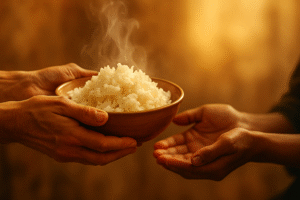
1. Warm foods improve digestion and nutrient absorption
Research published in the Journal of Gastroenterology shows warm, cooked foods stimulate digestive enzymes more effectively than cold or raw foods.
When digestion improves:
• Iron absorption increases
• Calcium uptake improves
• Proteins are broken down efficiently for tissue repair
If digestion is weak, healing slows, regardless of how nutritious the food appears.
2. Warm foods support womb healing and circulation
Medical findings in the American Journal of Obstetrics and Gynecology highlight the importance of circulation for uterine recovery.
Warm foods help by:
• Gently dilating blood vessels
• Improving oxygen delivery
• Supporting uterine contractions
This reduces postpartum pain, clot retention, and delayed healing.
3. Warm foods reduce inflammation and body pain
Pregnancy and childbirth strain muscles, joints, and connective tissue.
Studies in Nutrition Reviews indicate warm, cooked diets reduce inflammatory markers compared to diets heavy in cold or raw foods.
Traditional warming ingredients such as:
• Ginger
• Cumin
• Pepper
• Ghee
have proven anti-inflammatory and circulatory benefits.
4. Warm meals calm the nervous system and mood
Research in Frontiers in Psychology shows warmth activates the parasympathetic nervous system, the body’s rest-and-repair mode.
Warm meals:
• Signal safety to the brain
• Reduce cortisol levels
• Improve emotional grounding
A calm body heals faster.
5. Warm foods restore gut health
Pregnancy, medications, antibiotics, and delivery stress disrupt gut bacteria.
Studies in Gut Microbes Journal show cooked foods are gentler on the intestinal lining and help restore the microbiome.
This supports:
• Hormonal balance
• Immunity
• Reduced constipation
Research-Backed Warm Foods for Postnatal Healing

1. Warm rice-based foods
Kanji and soft porridges are:
• Easy to digest
• Hydrating
• Support energy and milk production
Clinical nutrition studies show rice-based meals help restore electrolyte balance.
2. Ginger and cumin
Research in Phytotherapy Research confirms they:
• Improve digestion
• Reduce gas and bloating
• Support circulation
Especially beneficial during the first 40 days.
3. Ghee in moderation
According to the Journal of Ayurveda and Integrative Medicine, ghee:
• Supports hormone synthesis
• Helps nerve repair
• Improves absorption of fat-soluble vitamins
4. Well-cooked vegetables
Cooking increases mineral bioavailability.
Studies show cooked vegetables offer better iron and calcium absorption during recovery.
5. Warm lentils and dals
Well-cooked legumes provide:
• Protein for tissue repair
• Iron for blood rebuilding
• Sustained energy
Why Cold Foods Slow Recovery
Research consistently shows excessive cold foods during healing phases can delay recovery.
Cold foods:
• Constrict blood vessels
• Weaken digestion
• Increase bloating
• Delay hormonal balance
Foods to limit in early postpartum include:
• Ice water
• Cold smoothies
• Refrigerated leftovers
• Raw salads
This is temporary care, not permanent restriction.
The First 40 Days Shape the Next 40 Years
Women’s health studies link poor postpartum recovery with:
• Chronic joint pain
• Hormonal disorders
• Digestive issues
• Emotional burnout later in life
The body remembers how it was treated when it was most open.
A Gentle Reminder for Modern Mothers
You do not need perfection.
You need warmth, consistency, and kindness toward your body.
Even simple warm meals, eaten slowly, can change recovery outcomes.
This is not about strict rules.
It is about supporting biology with care.
Final Yeka Wisdom
Warm foods are not old beliefs passed down blindly.
They are time-tested, research-supported healing tools.
The first 40 days are sacred, not because tradition says so,
but because the body asks for it.
Choose warmth.
Your body will remember this care for decades.
Leave a Reply